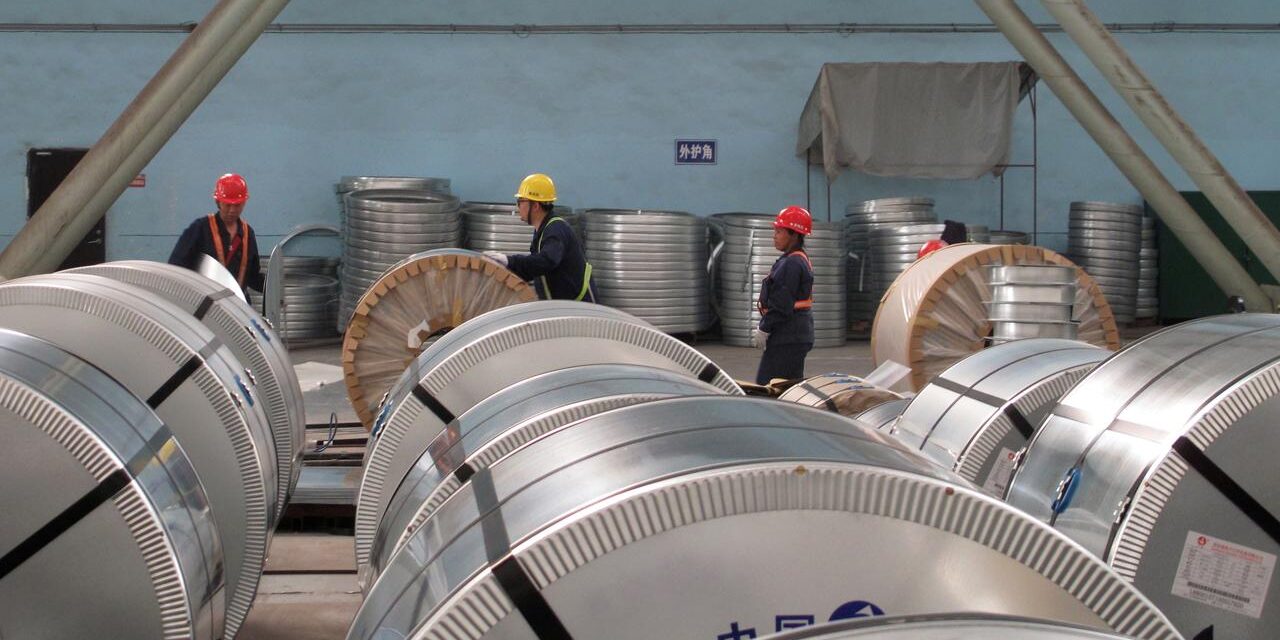
In September, China’s high-carbon steel output reached 652,300 tons, up 1.54% month-on-month and 7.82% year-on-year. Production in Inner Mongolia was 405,000 tons, a 1.33% increase MoM, while in Sichuan it was 47,000 tons, up 42.42% compared to the same month. In September, there were higher tender prices and strong demand from stainless steel mills with high production plans, providing strong impetus for steelmakers to maintain high output levels. Abundant rainfall and ample hydroelectric supply led to higher carbon steel production in Sichuan. In Hubei, Henan, and Guangxi, factors such as high electricity prices during peak hours and previously insufficient chrome ore supply, coupled with rising raw material prices and weakening spot prices, led most steel producers to operate sporadically for 8-16 hours. Operating rates in Inner Mongolia remained high and almost unchanged due to no new capacity.
High-carbon steel output in October is expected to be 626,000 tons, slightly lower than September. Constrained by weaker-than-expected peak season demand, stainless steel prices gradually declined, causing losses for producers, and news of continuous stainless steel production cuts. In such circumstances, demand for high-carbon steel may decrease. Steel mills in southern China may face insufficient raw material inventory. In addition, spot chrome ore prices are expected to continue rising. Market sentiment is expected to trend downward. Therefore, some steel mills in southern China are likely to cut production. Large producers in the north are not yet in a loss position thanks to favorable prices. Moreover, it will be difficult to restart production after shutting down in winter. It is hoped that high-carbon steel production in northern China can remain stable.